Baby Sleep Temperature: Complete Guide
Finding the right baby sleep temperature can be a challenge, especially when restless nights leave you feeling exhausted. With the right tips and resources, you can create a cozy sleep environment that helps your little one drift off peacefully.
Experimenting with temperature and investing in supportive products like Baby Sleep Miracle can make a world of difference. Let’s explore how you can make sleep easier for both you and your baby.
Disclosure: This post may contain affiliate links. If you buy through them, we may earn a commission at no extra cost to you.
Note: This content is for informational purposes only and is not medical advice. If you have a medical condition, are pregnant/nursing, or take medication, talk to a qualified professional before using supplements.
- Simple techniques for any baby
- Holistic methods backed by research
- Proven strategies for restful sleep
- Effective for special needs children
- If you want the fastest route: see the best options and match one to your needs.
- If you’re choosing between two finalists: use the comparison to decide faster.
- For the “start here” option: check the recommended pick.
- If symptoms are intense or persistent, consider talking to a clinician.
Explore: Top Pick Review | Alternative Review | Also Consider Review
Quick Answer: Ideal Baby Sleep Temperature
- The ideal baby sleep temperature is between 68°F and 72°F.
- Dress your baby in light layers for comfort.
- Check your baby’s neck or back for temperature signs.
- Avoid heavy blankets or quilts in the crib.
- Use a room thermometer to monitor the temperature.
Short on time? See the best options → | Compare top picks →
Learn more about our approach → →
Maintaining the right baby sleep temperature is crucial for your little one’s comfort and safety. It helps regulate their sleep patterns and prevents overheating or chilling. A well-regulated room temperature can ease the transition into sleep, making for a more restful night.
Steps to Achieve the Perfect Sleep Environment
- Simple steps tailored for any baby
- Proven techniques from child psychology
- Helps improve your baby's emotional well-being
- No more common bedtime mistakes
- Choose a suitable room for your baby to sleep in.
- Use a thermometer to measure the room temperature accurately.
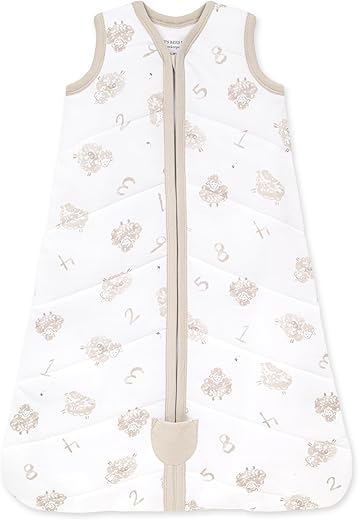
- Dress your baby in breathable fabrics to avoid overheating.
- Keep the crib clear of toys and heavy bedding.
- Adjust the thermostat to maintain a consistent temperature.
- Consider using a fan for air circulation if needed.
- Regularly check your baby’s comfort level during the night.
Creating the perfect sleep environment involves several elements. Ensuring the right baby sleep room temperature is just one aspect, but it plays a significant role in how well your baby sleeps.
Common Baby Sleep Temperature Mistakes
- Overdressing your baby for sleep.
- Not using a thermometer to monitor the room temperature.
- Using heavy blankets or quilts in the crib.
- Ignoring signs of discomfort, such as sweating or fussiness.
- Neglecting to adjust the temperature with seasonal changes.
Avoiding these common mistakes can help in maintaining a safe and comfortable sleep setting for your baby. Awareness of the baby sleep patterns can also guide you in making necessary adjustments.
Understanding Baby Sleep Positions
Choosing the right sleep position is vital for your baby’s safety. The safest position for babies is on their back. This reduces the risk of Sudden Infant Death Syndrome (SIDS). If you use a baby sleep positioner, ensure it meets safety standards and is used correctly.
See how it works for your baby → →
While some parents may wonder if it’s safe for their baby to sleep on stomach, it is not recommended until they can roll over on their own. Always consult your pediatrician for guidance on safe sleep practices.
Navigating Baby Sleep Regression Challenges
Sleep regression can be a tough phase for both babies and parents. It often occurs around developmental milestones. During this time, your baby may have disrupted sleep patterns.
To navigate these challenges, maintain a consistent bedtime routine. This helps your baby feel secure and understand that it’s time to sleep. Keeping the baby sleep temperature comfortable can also mitigate some of the disturbances.
How to Manage Baby Sleep in a Car Seat
While traveling, many parents find their baby sleep in a car seat. However, this should not be a long-term sleep solution. Car seats are designed for safety during travel, not for sleeping.
If your baby falls asleep in the car, ensure they are transferred safely to their crib or bassinet once you arrive at your destination. Always check that the car seat is appropriately adjusted to avoid any discomfort.
FAQ: Baby Sleep Temperature Concerns
What is the ideal room temperature for baby sleep?
The ideal room temperature for baby sleep is between 68°F and 72°F.
How can I tell if my baby is too hot or too cold?
Check your baby’s neck or back. If they are sweaty, they may be too hot. If their skin feels cool, they may be too cold.
Is it safe for my baby to sleep on their stomach?
It is not safe for babies to sleep on their stomach until they can roll over independently.
What should I do if my baby is experiencing sleep regression?
Maintain a consistent bedtime routine and ensure the sleep environment is comfortable.
Can my baby sleep in a car seat overnight?
While babies may sleep in a car seat during travel, they should not sleep in it overnight for safety reasons.
Final Notes on Baby Sleep Temperature
Ensuring the right baby sleep temperature is essential for your child’s safety and comfort. By following the steps outlined above, you can create an ideal sleep environment. Always stay attentive to your baby’s needs and adjust their sleeping conditions accordingly.
- Customizable steps for any baby
- Proven techniques from child psychologists
- Over 45% of parents make this mistake
- Simple methods to ease bedtime struggles