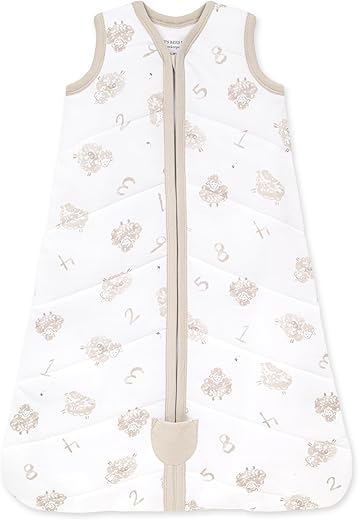
Baby Sleep In Bassinet: Complete Guide
Getting your little one to sleep in a bassinet can feel like an uphill battle, leaving you exhausted and longing for a peaceful night. With the right approach and tools, like the Baby Sleep Miracle, you can transform bedtime into a serene experience for both you and your baby.
Understanding the nuances of baby sleep is key to nurturing restful nights. This guide will help you navigate challenges and discover practical tips to support sweet dreams in your cozy bassinet.
Disclosure: This post may contain affiliate links. If you buy through them, we may earn a commission at no extra cost to you.
Note: This content is for informational purposes only and is not medical advice. If you have a medical condition, are pregnant/nursing, or take medication, talk to a qualified professional before using supplements.

- Simple steps for any baby
- Holistic approach from experts
- Improves sleep patterns naturally
- Supports emotional well-being
- If you want the fastest route: see the best options and match one to your needs.
- If you’re choosing between two finalists: use the comparison to decide faster.
- For the “start here” option: check the recommended pick.
- If symptoms are intense or persistent, consider talking to a clinician.
Explore: Top Pick Review | Alternative Review | Also Consider Review
In a Nutshell: Baby Sleep in Bassinet
- Ensure a safe sleeping environment for your baby.
- Choose a flat bassinet for optimal support.
- Understand baby sleep patterns to improve rest.
- Avoid common mistakes to enhance sleep quality.
- Address sleep regression issues proactively.
Short on time? See the best options → | Compare top picks →
Getting your baby to sleep in a bassinet can be a challenge. It is essential to create a comfortable and safe space for your little one. A baby sleep in bassinet helps establish healthy sleep habits from the start.
Essential Steps for Bassinet Setup
- Simple steps for any baby's sleep needs.
- Holistic methods backed by child psychology.
- Learn the bedtime mistake 45% of parents make.
- Techniques to help your child sleep soundly.
- Select a sturdy bassinet that meets safety standards.
- Position the bassinet in a quiet, comfortable area of your home.
- Use a fitted sheet to ensure a snug fit on the mattress.
- Keep the bassinet free from toys and loose bedding.
- Adjust the room temperature to a comfortable level.
Following these steps can help create a suitable environment for your baby to sleep flat in a bassinet. Consistency in setup is key to establishing good sleep habits.
Understanding Baby Sleep Patterns in a Bassinet
Newborns have distinct sleep patterns that vary from older infants. They typically sleep for short periods, waking every few hours. As they grow, their sleep becomes more consolidated.
Recognizing these patterns can help parents anticipate their baby’s needs. This understanding is crucial for managing sleep in a bassinet effectively.
Common Mistakes Parents Make with Bassinets
- Using soft bedding or pillows, which can pose suffocation risks.
- Placing the bassinet near windows or drafty areas.
- Neglecting to follow safe sleep guidelines.
- Overcrowding the bassinet with toys or blankets.
Avoiding these common mistakes can significantly enhance your baby’s sleep experience and safety.
See Success Stories from Parents → →
How to Use a Wedge for Bassinet Sleep
Some parents find that a baby sleep wedge for bassinet can help with issues like reflux. A wedge can elevate your baby’s head slightly, aiding comfort during sleep.
When using a wedge, ensure it is designed specifically for bassinets. Always follow the manufacturer’s guidelines to maintain safety.
Navigating Baby Sleep Regression in a Bassinet
Sleep regression is a common phase that many infants experience. It can occur at various developmental milestones, often leading to disrupted sleep patterns.
During these times, consistency is crucial. Maintain a calming bedtime routine to help your baby adjust during these challenging periods.
Addressing Baby Sleep on Stomach Concerns
Many parents worry about their baby sleeping on their stomach. It is essential to place your baby on their back for sleep to reduce the risk of sleep-related issues.
Using a baby sleep positioner can help keep your baby in a safe position. However, always consult with your pediatrician for personalized advice.
FAQ: Baby Sleep in Bassinet Questions
What is the best position for baby sleep in a bassinet?
The safest position is on the back, as this reduces the risk of sleep-related complications.
How can I help my baby sleep better in a bassinet?
Establish a calming bedtime routine and ensure a comfortable sleep environment.
When should I transition my baby out of the bassinet?
Most babies can transition to a crib around 3 to 6 months, depending on their size and mobility.
Can I use blankets in the bassinet?
It is best to avoid blankets and instead use a fitted sheet to keep the sleep area safe.
Final Notes on Baby Sleep in Bassinet
Encouraging your baby to sleep in a bassinet can be a rewarding journey. By understanding their sleep needs and creating a safe environment, you can help your baby develop healthy sleep patterns.
Remember to consult with healthcare professionals for tailored advice, especially if you encounter sleep challenges.
- Holistic techniques backed by scientific research.
- Customized steps for every baby’s needs.
- Learn the common bedtime mistakes parents make.
- Discover the secret to restful sleep.