Baby Sleep Apnea: Complete Guide
Baby sleep apnea can be a concerning issue for many parents, leaving you anxious during those quiet nights. Understanding its signs and exploring solutions like Baby Sleep Miracle can offer peace of mind and a better sleep environment for your little one.
With practical tips and insights, you’ll discover how to manage your baby's sleep challenges effectively. Equip yourself with knowledge to ensure restful nights for both you and your child.
Disclosure: This post may contain affiliate links. If you buy through them, we may earn a commission at no extra cost to you.
Note: This content is for informational purposes only and is not medical advice. If you have a medical condition, are pregnant/nursing, or take medication, talk to a qualified professional before using supplements.

- Simple methods tailored for any baby
- Backed by child psychology research
- No more sleepless nights for you
- Techniques to ease emotional stress
- If you want the fastest route: see the best options and match one to your needs.
- If you’re choosing between two finalists: use the comparison to decide faster.
- For the “start here” option: check the recommended pick.
- If symptoms are intense or persistent, consider talking to a clinician.
Explore: Top Pick Review | Alternative Review | Also Consider Review
At a Glance: Baby Sleep Apnea Overview
- Baby sleep apnea affects infants during sleep.
- It can lead to disrupted sleep patterns.
- Safe sleep positions are crucial for infants.
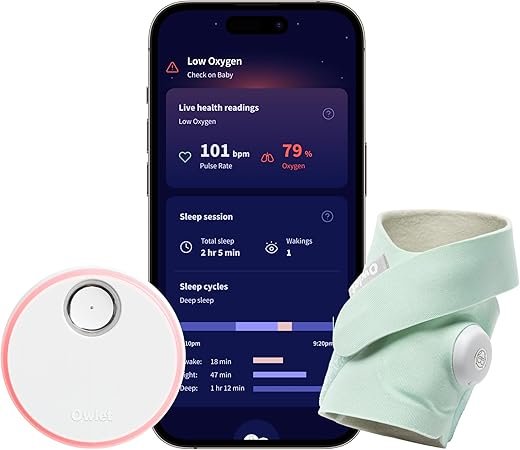
- Monitoring baby sleep is essential for health.
- Common signs include irregular breathing.
Short on time? See the best options → | Compare top picks →
Learn more about our approach → →
Understanding baby sleep apnea is vital for ensuring your child’s well-being. This condition can cause interruptions in breathing while your baby sleeps. Parents should be aware of safe practices to promote restful sleep.
Understanding Baby Sleep Patterns
- Simple steps for any baby's sleep pattern
- Holistic methods backed by scientific research
- Eliminate common bedtime mistakes easily
- Techniques suitable for children with special needs
Baby sleep patterns can vary significantly from one infant to another. Newborns typically sleep for 14 to 17 hours a day, but this can change as they grow. Recognizing these patterns helps parents support their child’s sleep needs effectively.
During the first few months, babies may have irregular sleep cycles, often waking for feedings. As they develop, their sleep becomes more structured. Understanding these changes is crucial for managing baby sleep regression, which can occur at various stages.
Steps to Ensure Safe Baby Sleep Positions
- Always place your baby on their back to sleep.
- Use a firm mattress with a fitted sheet.
- Avoid soft bedding, pillows, or toys in the crib.
- Consider using a baby sleep positioner if recommended by a pediatrician.
- Keep the sleep environment at a comfortable temperature.
- Monitor your baby for any signs of distress during sleep.
- Regularly check on your baby to ensure they are safe.
These steps can help reduce the risk of complications related to baby sleep apnea and promote healthier sleep habits.
Common Mistakes in Baby Sleep Practices
- Allowing babies to sleep on their stomachs.
- Using soft bedding or blankets in the crib.
- Neglecting to monitor sleep patterns closely.
- Not following safe sleep guidelines consistently.
- Overheating the baby’s sleep environment.
Avoiding these common mistakes can lead to safer sleep for your baby. It is essential to stay informed about best practices.
Explore Our Proven Techniques → →
What to Know About Baby Sleep Regression
Baby sleep regression can occur during growth spurts, typically around 4 months, 8 months, and 12 months. During these times, your baby may experience disrupted sleep patterns. Parents should be prepared for changes in sleep behavior.
Recognizing the signs of baby sleep regression can help you respond effectively. Increased fussiness, frequent waking, and difficulty settling down are common indicators. Consistent bedtime routines can help ease transitions during these phases.
FAQ: Baby Sleep Concerns
What is baby sleep apnea?
Baby sleep apnea is a condition where an infant experiences pauses in breathing during sleep. It is important to monitor your baby for any signs of this condition.
How can I tell if my baby is sleeping safely?
You can ensure safe sleep by placing your baby on their back, using a firm mattress, and keeping the crib free of soft items.
What are the signs of baby sleep regression?
Signs include increased wakefulness, difficulty falling asleep, and changes in typical sleep patterns.
Is it safe for my baby to sleep on their stomach?
No, it is not safe for infants to sleep on their stomachs. Always place your baby on their back to sleep.
Why does my baby sleep with their eyes open?
Some babies may sleep with their eyes partially open due to relaxed eyelid muscles. This is usually not a cause for concern.
Final Notes on Baby Sleep Health
Ensuring your baby’s sleep health is paramount. By understanding baby sleep apnea and implementing safe sleep practices, you can support your child’s development. Stay informed and consult with a pediatrician if you have concerns about your baby’s sleep.
- Holistic methods tailored for any baby
- Easy steps to improve sleep patterns
- Proven techniques from child psychology
- No expensive gadgets or products needed