Baby Sleep With Arms Up: Complete Guide
Baby sleep with arms up can be a puzzling sight, often raising questions about comfort and safety. Understanding your little one’s sleep habits might just unlock those elusive peaceful nights you crave.
Tools like Baby Sleep Miracle can support you in creating a calming bedtime routine, ensuring your baby feels secure while they drift off. Let’s explore how to navigate this journey together.
Disclosure: This post may contain affiliate links. If you buy through them, we may earn a commission at no extra cost to you.
Note: This content is for informational purposes only and is not medical advice. If you have a medical condition, are pregnant/nursing, or take medication, talk to a qualified professional before using supplements.

- Holistic methods tailored for any baby.
- Proven techniques from child psychology experts.
- Simple steps to avoid common bedtime mistakes.
- Effective strategies for emotional well-being.
- If you want the fastest route: see the best options and match one to your needs.
- If you’re choosing between two finalists: use the comparison to decide faster.
- For the “start here” option: check the recommended pick.
- If symptoms are intense or persistent, consider talking to a clinician.
Explore: Top Pick Review | Alternative Review | Also Consider Review
In a Nutshell: Baby Sleep with Arms Up
- Babies often sleep with arms up for comfort.
- This position can help regulate their body temperature.
- It may reduce the risk of startle reflex disturbances.
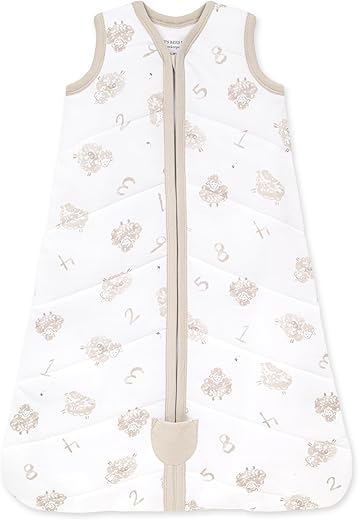
- Using baby sleep bags with arms can enhance safety.
- Understanding baby sleep patterns is crucial for parents.
- Positioning can affect overall sleep quality.
- Common misconceptions can lead to sleep challenges.
Short on time? See the best options → | Compare top picks →
Learn more about our approach → →
Understanding how to help your baby sleep with arms up is essential for their comfort and safety. Many parents find that this position can promote better sleep patterns. This guide will explore various aspects of baby sleep, including positioning and common issues.
Understanding Baby Sleep Patterns
- Holistic methods tailored for any baby
- Backed by child psychology research
- Improve sleep in just a few nights
- Unpack your baby's emotional backpack
Every baby has unique sleep patterns that evolve over time. Newborns typically sleep 14 to 17 hours a day, with frequent awakenings. As they grow, these patterns begin to stabilize.
During the first few months, babies may experience sleep regression, which can disrupt their established patterns. Understanding these phases can help parents adjust their expectations and strategies.
How to Position Your Baby for Sleep
Proper positioning is key to ensuring your baby sleeps well and safely. Follow these steps to position your baby effectively:
- Choose a firm and flat sleep surface.
- Place your baby on their back, ideally in a crib or bassinet.
- Allow your baby to stretch their arms up comfortably.
- Use baby sleep bags with arms to keep them cozy.
- Ensure the sleep area is free of soft bedding and toys.
- Monitor the room temperature to keep it comfortable.
- Check on your baby regularly without disturbing their sleep.
These steps can help create a safe and comfortable sleep environment for your baby.
Common Misconceptions About Baby Sleep
- Many believe babies should always sleep on their stomach, which is not recommended.
- Some parents think swaddling is the only option for comfort.
- Others may believe that a quiet environment is necessary for sleep.
- There is a misconception that babies will not sleep well if they have their arms up.
- Some think sleep positioners are always safe, which is not the case.
Addressing these misconceptions can lead to better sleep practices for parents and their babies.
Join other happy parents today → →
Troubleshooting Baby Sleep Issues
If your baby is having trouble sleeping, consider these common issues:
- Overstimulation before bedtime can make it hard for babies to settle.
- Inconsistent sleep routines can disrupt their sleep patterns.
- Using inappropriate sleep positioners can lead to safety concerns.
- Environmental factors, such as noise or temperature, can affect sleep quality.
- Hunger or discomfort may cause frequent awakenings.
Identifying and addressing these issues can help improve your baby’s sleep experience.
FAQ: Baby Sleep Questions
Is it safe for my baby to sleep with arms up?
Yes, it is generally safe for babies to sleep with their arms up. This position can provide comfort and help regulate body temperature.
What are the benefits of using baby sleep bags with arms?
Baby sleep bags with arms can keep your baby warm while allowing for freedom of movement. They can also reduce the risk of suffocation compared to loose blankets.
Can babies sleep on their stomach?
Babies should be placed on their backs to sleep. Sleeping on the stomach is associated with an increased risk of Sudden Infant Death Syndrome (SIDS).
What should I do if my baby experiences sleep regression?
Be patient and maintain a consistent bedtime routine. Gradually adjust their schedule as needed and provide comfort during this phase.
Final Notes on Baby Sleep with Arms Up
Understanding how to help your baby sleep with arms up can enhance their comfort and safety. By following recommended practices and addressing common misconceptions, parents can create a positive sleep environment. Remember, every baby is unique, so finding what works best for your child is essential.
- Proven techniques from child psychology experts
- Helps regulate your child's sleep patterns
- Addresses common bedtime mistakes parents make
- Supports emotional well-being for your child