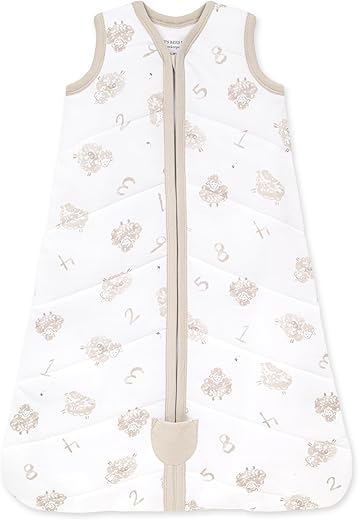
Baby Sleep On Back: Complete Guide
Getting your little one to sleep on their back can feel like a never-ending challenge, but it’s crucial for their safety and comfort. Discovering effective strategies will help create a peaceful sleep environment for both you and your baby.
With resources like Baby Sleep Miracle, you can gain insights into nurturing healthy sleep habits. These tips can make a world of difference in managing sleep routines while ensuring your baby’s well-being.
Disclosure: This post may contain affiliate links. If you buy through them, we may earn a commission at no extra cost to you.
Note: This content is for informational purposes only and is not medical advice. If you have a medical condition, are pregnant/nursing, or take medication, talk to a qualified professional before using supplements.

- Proven techniques from child psychology experts.
- Holistic approach tailored for any baby.
- Simple steps to improve sleep patterns.
- Supports emotional well-being for your child.
- If you want the fastest route: see the best options and match one to your needs.
- If you’re choosing between two finalists: use the comparison to decide faster.
- For the “start here” option: check the recommended pick.
- If symptoms are intense or persistent, consider talking to a clinician.
Explore: Top Pick Review | Alternative Review | Also Consider Review
In a Nutshell: Baby Sleep on Back
- Always place your baby to sleep on their back.
- Back sleeping reduces the risk of Sudden Infant Death Syndrome (SIDS).
- Monitor your baby’s sleep patterns for any changes.
- Be cautious with baby sleep positioners; they may not be safe.
- Understand that some babies may prefer sleeping on their stomach.
- Support your baby’s transition to back sleeping with gentle techniques.
- Consult your pediatrician for personalized advice.
Short on time? See the best options → | Compare top picks →
Learn More About Sleep Solutions → →
When it comes to baby sleep on back, safety is the primary concern for parents. Back sleeping has been recommended to minimize risks associated with SIDS. However, some babies may exhibit preferences for different positions, such as baby sleep on side or even baby sleep on stomach.
Understanding Baby Sleep Patterns
- Simple steps for any baby
- Backed by child psychology research
- Customizable for your family's needs
- Helps improve your own sleep too
Baby sleep patterns can vary greatly from one infant to another. Newborns typically sleep for short periods, waking frequently for feeding. As they grow, their sleep becomes more consolidated, often leading to longer stretches at night.
During their first few months, babies will cycle through various sleep stages. Understanding these stages can help parents anticipate when their baby may need to sleep or when they might wake up.
Steps to Encourage Back Sleeping
- Always lay your baby down on their back in the crib.
- Create a calming bedtime routine to signal sleep time.
- Make sure the sleep environment is safe and comfortable.
- Swaddle your baby if it helps them feel secure.
- Gradually introduce back sleeping during naps and nighttime.
- Monitor your baby’s reactions and adjust as needed.
- Consult with your pediatrician if you have concerns.
Encouraging baby sleep on back can take time. Consistency is key in helping them adjust to this position.
Common Myths About Baby Sleep Positions
There are several myths surrounding baby sleep positions that can confuse new parents. One common myth is that sleeping on the stomach leads to better sleep quality. In reality, this position poses risks.
- Myth: Stomach sleeping prevents choking.
- Myth: Babies sleep better on their side.
- Myth: Using a baby sleep positioner ensures safety.
- Myth: Back sleeping is uncomfortable for babies.
Understanding these myths can help parents make informed decisions about their baby’s sleep safety.
What to Do When Baby Prefers Stomach Sleeping
If your baby shows a preference for sleeping on their stomach, it’s essential to address this safely. Always place them on their back to sleep, even if they roll over during the night.
Encouraging back sleeping can involve gently repositioning them if they roll onto their stomach. Additionally, make sure they have a safe and comfortable sleep environment that promotes back sleeping.
Signs of Baby Sleep Regression
Baby sleep regression can occur at various developmental stages. Parents may notice changes in sleep patterns, increased fussiness, or frequent night awakenings during these periods.
Common signs include:
- Increased difficulty falling asleep.
- Frequent waking during the night.
- Shortened naps or refusal to nap.
- Increased crying or fussiness at bedtime.
Recognizing these signs can help parents manage sleep challenges effectively.
FAQ: Baby Sleep on Back Insights
Is it safe for my baby to sleep on their back?
Yes, sleeping on their back is the safest position for babies. It significantly reduces the risk of SIDS.
What should I do if my baby rolls onto their stomach?
If your baby rolls onto their stomach, gently reposition them onto their back. Continue to place them on their back for sleep.
How can I help my baby adjust to sleeping on their back?
Establishing a calming bedtime routine can help. Gradually introduce back sleeping during naps and nighttime.
What are the signs of baby sleep regression?
Signs include increased fussiness, difficulty falling asleep, and frequent night awakenings.
Can I use a baby sleep positioner?
It is generally not recommended to use baby sleep positioners due to safety concerns. Always prioritize safe sleep practices.
Final Notes on Baby Sleep Health
Ensuring your baby sleeps on their back is crucial for their health and safety. Parents should remain vigilant and responsive to their baby’s sleep needs.
By understanding baby sleep patterns and addressing any challenges, you can promote healthier sleep habits. Always consult your pediatrician for personalized advice and support.
- Holistic techniques tailored for every baby.
- Insights from a child psychologist and researcher.
- Discover the common bedtime mistake parents make.
- Learn to empty your child's 'emotional backpack'.